Types of Ecosystem
Learn about ecosystems, how biotic and abiotic components interact, and explore the major types of ecosystems across land and water.
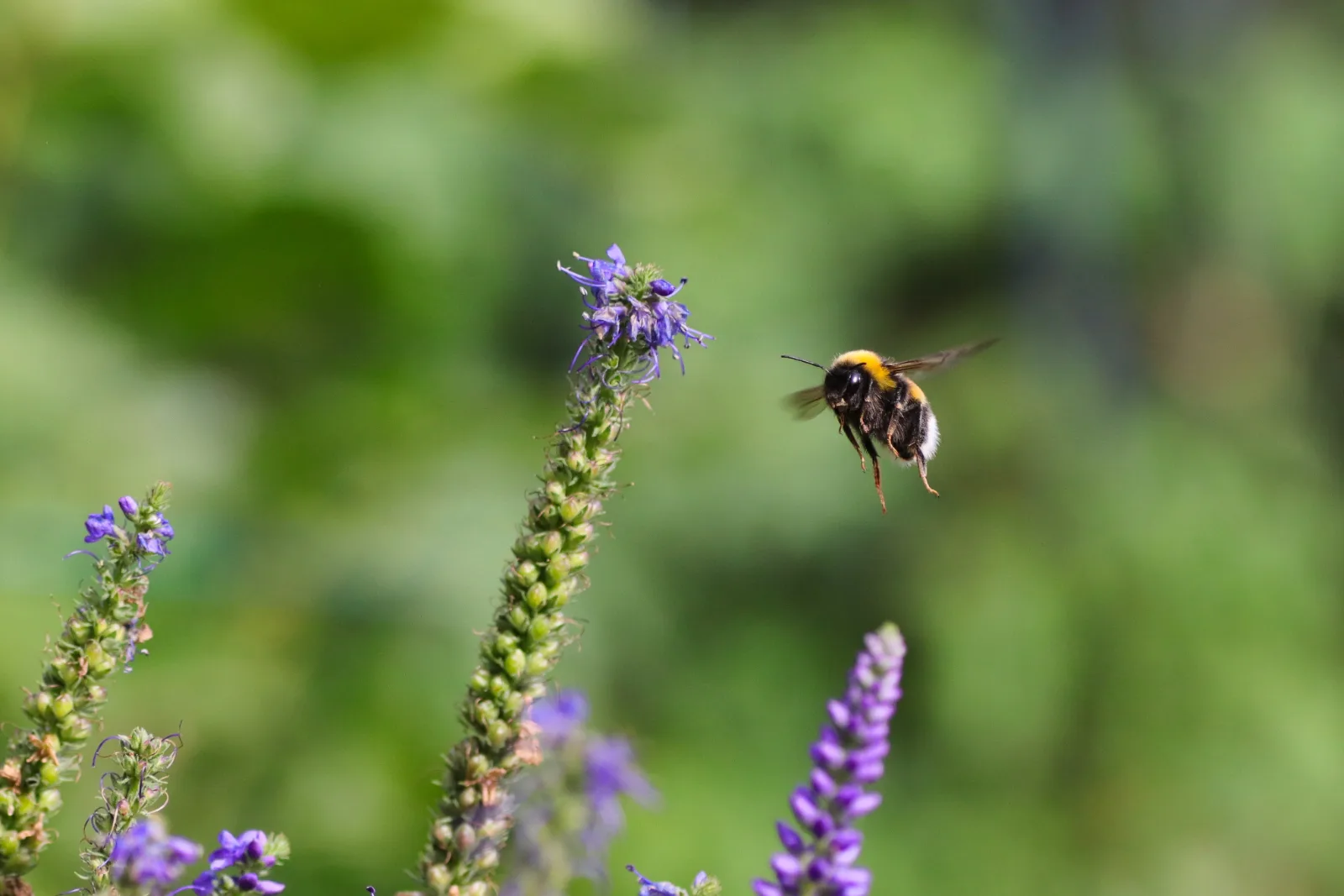
Ecosystem and Its Types
An ecosystem is a structural and functional unit of ecology where living organisms interact with each other and with their surrounding non-living environment.
1. Components of an Ecosystem
Every ecosystem consists of two primary components:
- Biotic Components (Living):
- Producers (Autotrophs): Organisms like plants and algae that produce their own food via photosynthesis.
- Consumers (Heterotrophs): Organisms that depend on others for food (herbivores, carnivores, omnivores).
- Decomposers (Saprotrophs): Microorganisms like bacteria and fungi that break down dead organic matter and recycle nutrients.
- Abiotic Components (Non-Living):
- Physical and chemical factors such as sunlight, temperature, water, soil, air, and minerals.
2. Major Types of Ecosystems
Ecosystems are broadly classified into two main categories: Terrestrial (Land-based) and Aquatic (Water-based).
A. Terrestrial Ecosystems
- Forest Ecosystems:
- Dense areas rich in trees, flora, and fauna (e.g., tropical rainforests, temperate forests, boreal forests).
- Grassland Ecosystems:
- Ecosystems dominated by grasses rather than tall trees (e.g., Savannas, Temperate Prairies).
- Desert Ecosystems:
- Regions with extremely low annual rainfall, extreme temperatures, and specialized xerophytic vegetation like cacti.
- Tundra Ecosystems:
- Cold, treeless regions found in high altitudes or polar zones with harsh climates and permafrost soil.
B. Aquatic Ecosystems
- Freshwater Ecosystems: Water bodies with low salt content (<1%).
- Lentic: Slow-moving or standing water like lakes, ponds, and wetlands.
- Lotic: Fast-moving water like rivers and streams.
- Marine Ecosystems:
- Ocean-based systems with high salt content (approx. 3.5%), including coral reefs, estuaries, deep oceans, and intertidal zones. Holds the highest biodiversity on Earth.
3. Key Functions of Ecosystems
- Energy Flow: Energy flows unidirectionally from producers to primary, secondary, and tertiary consumers.
- Nutrient Cycling: Continuous cycling of essential elements (carbon, nitrogen, phosphorus) between biotic and abiotic parts.
- Ecological Balance: Maintains equilibrium among organisms and their physical environment.